 +234 902 333 3331
 info@npc.clinic
 29 Agadez Crescent, Wuse II, Abuja

Neurological Rehabilitation
Supporting people with disorders affecting the brain, spinal cord, and nerves.
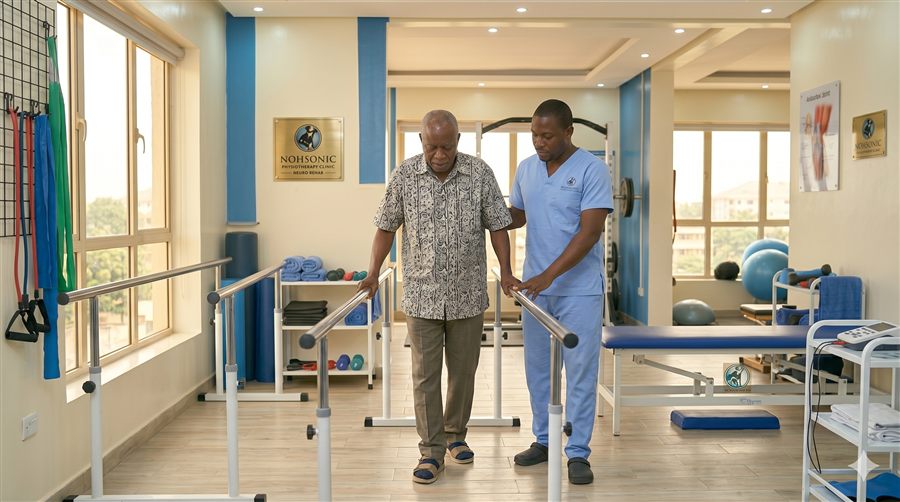
Neurological conditions affect how you move, balance, and function in ways that go beyond ordinary muscle or joint problems. Our neurological rehabilitation programme draws on specialist knowledge of the nervous system to help you rebuild movement, strength, and independence — step by step, with patience and measurable progress at every stage.
Our Neurological Approach
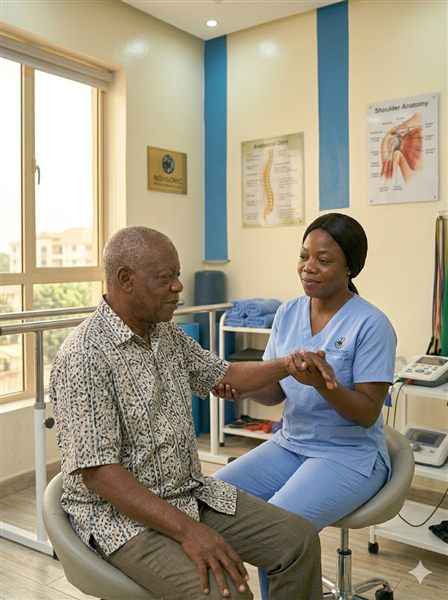
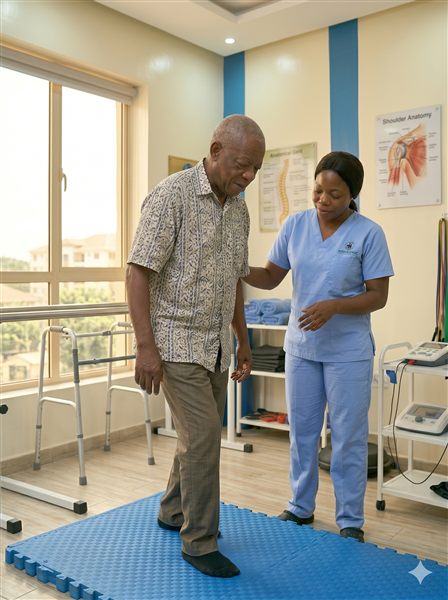
We assess your current level of function, movement quality, balance, and cognition as it relates to physical activity. Treatment uses task-specific training, balance rehabilitation, gait re-education, and strengthening to retrain the brain-body connection. We set clear, functional goals and celebrate every milestone.
- Stroke
- Parkinson's Disease
- Multiple Sclerosis
- Spinal cord injury
- Traumatic brain injury
- Peripheral nerve injuries
Frequently Asked Questions
Have a question about neurological rehabilitation? Here are the questions we hear most often from patients, with honest answers from our team.
Yes. The brain has a remarkable ability to rewire itself — a process called neuroplasticity. Physiotherapy drives this process by repeating purposeful movements, which helps the brain form new pathways. Early and consistent rehabilitation produces the best outcomes.
The earlier the better. Physiotherapy often begins in hospital within days of a stroke. Once discharged, continuing outpatient rehabilitation is essential to sustain and build on early gains.
Yes. While physiotherapy cannot slow the disease, it can significantly improve balance, walking, strength, and quality of life. Regular physiotherapy helps patients stay mobile and independent for longer.
Neurological rehabilitation is typically longer-term than other types. Initial intensive treatment may be followed by maintenance sessions. Your therapist will review your progress regularly and adjust the frequency based on your goals and response.
Absolutely. We encourage family involvement where appropriate. Caregivers who understand the exercises and strategies can support progress at home, which makes a significant difference to outcomes.